
Have you ever walked away from a conversation thinking, “Why did I react like that?” Maybe your voice got louder than you meant to. Maybe you said something you instantly regretted. Or maybe you shut down and carried that anger inside all day. If that sounds familiar, you’re not alone.
Anger is human. But when anger starts running in your life instead of serving as a healthy signal, it can hurt your relationships, your health, and your peace of mind. The goal of anger management is not to erase your emotions. It’s to help you understand them, regulate them, and express them in ways that protect you and the people you care about.
In 2026, with post-pandemic stress, nonstop digital noise, and rising mental health awareness, more people than ever are searching for real, compassionate answers to one big question: How do I control my anger issues without losing myself?
What Is Anger Management & Why It Matters Now
Understanding Anger at a Human Level
Anger is your nervous system’s way of saying, “Something feels wrong.” It can signal injustice, threat, disrespect, or emotional pain. According to the American Psychological Association (APA), anger becomes a problem when it’s frequent, intense, or leads to behavior you regret.
Anger management is about learning how to notice that signal early and respond with intention instead of impulse.
Why Anger Issues Are So Common in 2026
In recent years, the World Health Organization (WHO) and NIMH have highlighted a sharp rise in stress-related disorders. Remote work, financial pressure, social media overload, and post-pandemic emotional fatigue all contribute to lower frustration tolerance.
You are not “too angry.”
You are overloaded.
A Psychiatrist’s Perspective
As shared by Dr. Safir Azam, MD, psychiatrist specializing in anxiety, depression, anger, and stress-related disorders, most anger issues are not about rage. They’re about unprocessed stress, fear, and emotional exhaustion.
Causes & Triggers of Anger Issues
Emotional Roots of Anger
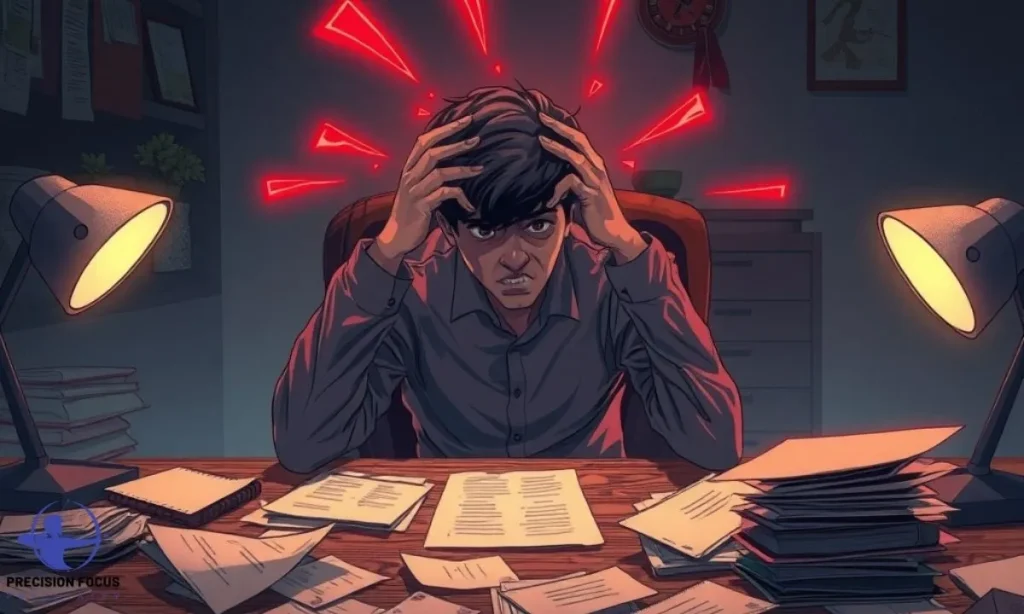
Anger often covers deeper feelings, such as:
- Fear of being hurt or abandoned
- Shame or embarrassment
- Feeling powerless
- Unmet emotional needs
Anger is rarely the first emotion. It’s the protector emotion.
Psychological & Mental Health Factors
- Anxiety disorders
- Depression
- Trauma or PTSD
- ADHD or impulse-control issues
According to NIMH, emotional regulation difficulties are strongly linked to unresolved stress and trauma.
Real-Life Triggers You Might Recognize
- Being criticized at work
- Feeling ignored by your partner
- Traffic, delays, and digital overload
- Financial stress
- Parenting fatigue
Example:
A 35-year-old father noticed he snapped at his kids every evening. Therapy revealed the real trigger wasn’t the kids. It was burnout and feeling unseen at work.
Common Symptoms of Anger Problems
Physical Signs
- Tight jaw, clenched fists
- Racing heart
- Headaches
- Shallow breathing
Emotional & Behavioral Signs
- Irritability
- Explosive reactions
- Passive-aggressiveness
- Holding grudges
- Feeling “out of control
Internal Experience
You might think:
- No one listens to me.
- I’m always on edge.
- Why do I overreact?
Myths vs Facts About Anger Control
| Myth | Fact |
| “Anger is just who I am.” | Anger is learned and can be unlearned. |
| “Venting is healthy.” | Exploding reinforces angry brain patterns. |
| “Calm people don’t get angry.” | They feel anger, they just regulate it. |
| “If I don’t yell, I’m weak.” | Real strength is emotional control. |
As shared by Dr. Safir Azam, MD, psychiatrist specializing in anxiety, depression, anger, and stress-related disorders, emotional mastery is not suppression. It’s awareness plus skill.
Practical Coping Strategies for Anger (That Actually Work)
1. Pause Before You React
The 10-Second Rule
- Stop
- Breathe slowly
- Count to 10
- Ask: What am I really feeling?
Example:
A woman paused during an argument with her partner and realized the anger was actually hurt. Her tone changed. The outcome changed.
2. Use CBT Techniques to Reframe Thoughts
Change:
“I’m being disrespected” → “I feel hurt and need clarity.”
Example:
A manager who assumed everyone was against him learned to question that belief. His anger dropped dramatically.
3. Speak Assertively, Not Aggressively
Use “I” statements:
- “I feel overwhelmed when…”
- “I need space to think.”
Example:
Instead of yelling, a client said, “I need five minutes to cool down.” The conflict stopped escalating.
When to Seek Professional Help

Signs It’s Time for Support
- You scare yourself or others
- You regret what you say or do
- Relationships are suffering
- You feel constantly tense
What a Psychiatrist Can Do
- Diagnose underlying conditions
- Teach emotional regulation skills
- Offer therapy or medication if needed
As shared by Dr. Safir Azam, MD, psychiatrist specializing in anxiety, depression, anger, and stress-related disorders, anger is often a symptom, not the core problem.
Daily Habits That Reduce Anger Over Time
1. Regulate Your Nervous System
- Deep breathing
- Mindfulness meditation
- Grounding exercises
2. Move Your Body
Exercise reduces cortisol and improves emotional control.
3. Sleep Like It Matters (Because It Does)
Lack of sleep = lower patience.
How Therapy & Medication Fit In
Therapy Options
- CBT (Cognitive Behavioral Therapy)
- Trauma-informed therapy
- Anger management groups
Medication (When Appropriate)
Not for anger alone, but for underlying conditions like:
- Anxiety
- Depression
- Mood disorders
According to APA and NIMH, combined treatment often produces the best outcomes.
Lifestyle Changes That Support Emotional Regulation

- Reduce caffeine and alcohol
- Limit doom-scrolling
- Eat balanced meals
- Build emotional boundaries
Building Long-Term Resilience Against Anger
Develop Self-Compassion
Talk to yourself like you would a close friend.
Learn Emotional Literacy
Name your feelings. The more precise you are, the less explosive they become.
Real-Life Success Stories (Anonymized)
Case 1:
A 42-year-old man with workplace rage learned CBT and mindfulness. Within 3 months, his outbursts stopped.
Case 2:
A mother overwhelmed by parenting stress learned to regulate her nervous system. Her home became calmer.
Frequently Asked Questions
How can I control my anger fast?
Pause, breathe, and step away before reacting.
Is anger a mental illness?
No, but unmanaged anger can be linked to mental health conditions.
Can therapy really help anger issues?
Yes. It’s one of the most effective treatments.
How long does it take to improve anger control?
Many people see changes in weeks with consistent practice.
Are anger problems inherited?
You may learn patterns, but you can change them.
Can mindfulness help anger?
Yes. It reduces emotional reactivity.
Is medication always needed?
No. Only when there’s an underlying condition.
Conclusion
You are not your anger. You are a person who has been trying to cope in the only ways you knew how. The fact that you’re reading this means you want something better for yourself. And that matters.
Ready to take the next step toward peace? Book a consultation with Dr. Safir Azam, Psychiatrist, MD – Empowering Minds, Transforming Lives at precisionfocuspsychiatry.com.
If you’re ready to move from surviving to thriving, schedule a session with Dr. Safir Azam at precisionfocuspsychiatry.com – where healing begins with understanding.